 Arashiyama Bamboo Forest
Arashiyama Bamboo Forest Entrance Fee: What You Pay, and What You Do Not
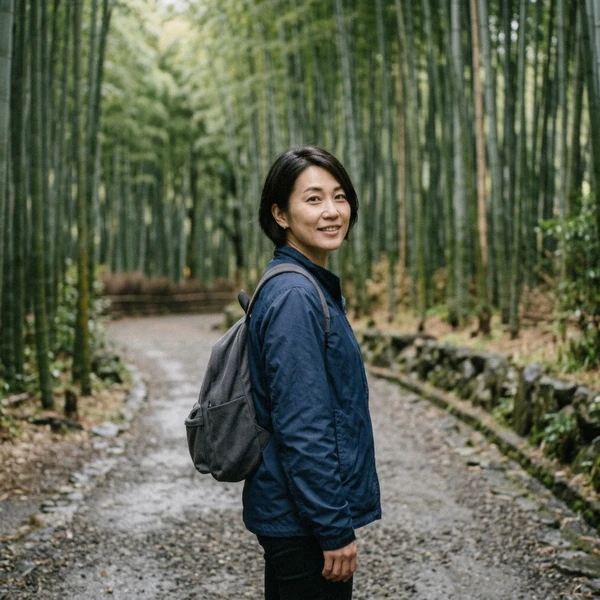
There is no Arashiyama bamboo forest entrance fee. No ticket office, no gate, no booking, no queue to pay: the path through the grove is a public right of way that happens to run between bamboo, and it has been free since the last charge was dropped in 2015. What costs money is everything standing around it, all of it listed on our Arashiyama Bamboo Forest guide, and that is where a day here quietly turns into ¥3,500 a head. Below is every fee in the district, checked in August 2026, with the free version of the same day next to it.
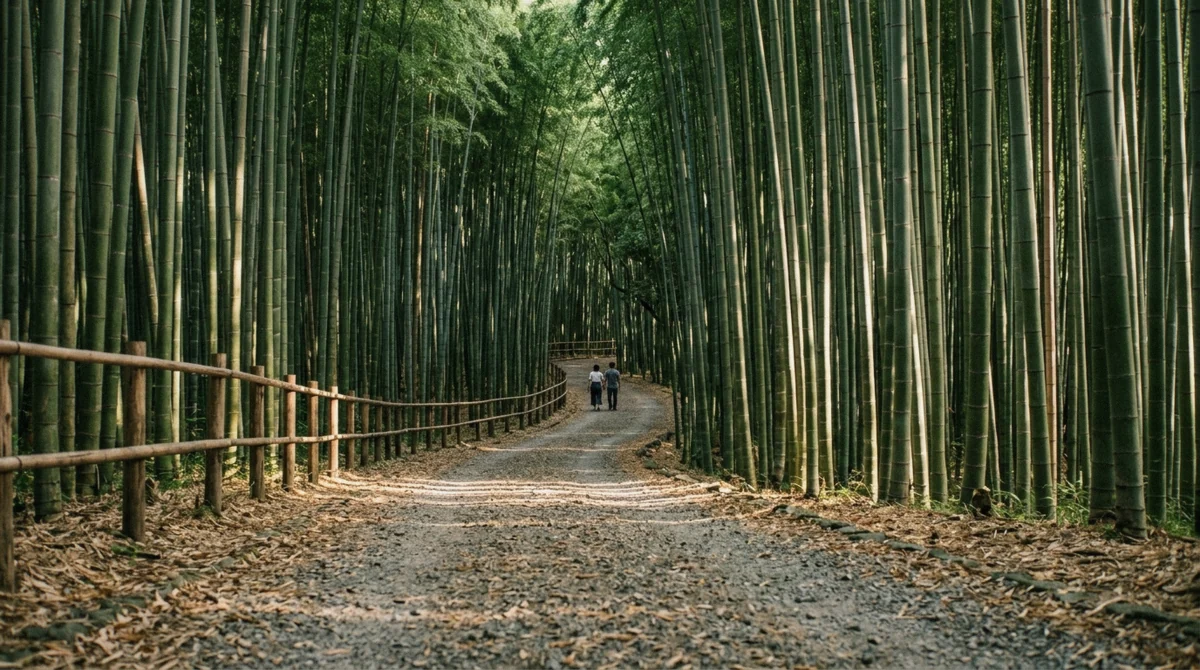
Quick answer
Walking the Arashiyama Bamboo Forest is free. There is no entrance fee, no ticket and no reservation of any kind, and the path is open 24 hours a day. The costs sit around the grove: ¥500 for the Tenryu-ji garden, ¥1,000 for Okochi-Sanso Villa with matcha, ¥800 in cash for the monkey park, ¥880 for the Sagano Romantic Train. A full paid day comes to roughly ¥3,500 per person, about $22, before food and transport.
Key takeaways
- Grove entry: ¥0. Anyone selling a bamboo forest ticket is selling a tour, a rickshaw ride or a night event.
- Getting there: ¥240 on the JR line from Kyoto Station, ¥250 on the Randen tram, ¥230 by city bus.
- The cheapest good day here costs the return train fare and nothing else.
- The one unavoidable cash payment is the monkey park gate at ¥800, which takes no cards.
- Guided walks run $51 to $108 and bundle the admissions you would otherwise pay one by one.
- Dollar figures use ¥157 to the dollar, the rate on 3 August 2026.
Every Fee in Arashiyama, in One Table
This is the whole district in one place. The first row is the one people search for, and it is the shortest row in the table.
| What | Price | Notes |
|---|---|---|
| Arashiyama Bamboo Forest | Free | No ticket, no gate, open 24 hours |
| Nonomiya Shrine | Free | At the southern entrance to the grove |
| Togetsukyo Bridge | Free | The 155 m Moon Crossing Bridge |
| Kimono Forest | Free | 600 lit pillars at the Randen station |
| Tenryu-ji garden | ¥500 ($3.20) | Plus ¥300 for the temple buildings |
| Okochi-Sanso Villa | ¥1,000 ($6.40) | Includes matcha and a sweet |
| Iwatayama Monkey Park | ¥800 ($5.10) | ¥400 children 4 to 15, cash only |
| Sagano Romantic Train | ¥880 ($5.60) | ¥440 children, reserved seats |
| Ebisuya rickshaw, 30 min | ¥9,000 ($57) | ¥10,000 for two passengers |
| Night illumination, when it runs | About ¥1,500 ($9.60) | Seasonal, not every year |
Why the Grove Costs Nothing
The bamboo is not an attraction anyone built. It is a working grove, partly owned by the temples and partly by families whose houses back onto the path, with a public lane cut through the middle of it. A small charge did exist until 2015, and it went. Since then the city has handled a rise from a few thousand visitors a day to a flood without ever putting a gate back, which is why the path is open at 3 in the morning and empty.
That has one consequence worth planning around: nothing here is limited by tickets, so nothing rations the crowd. There is no timed entry to book, no daily cap and no queue that ends. The only currency that buys you a quiet path is the hour you arrive.
What people are actually buying when they see a ticket
Search results promise Arashiyama Bamboo Forest tickets constantly, and every one of them is selling something else. Guided walks that bundle the temple and monkey park entries. Rickshaw rides on the private lane. Seasonal night illuminations that fence a section off and charge about ¥1,500. Occasionally a Kyoto day tour that lists the grove as a stop.
None of them can sell you access to the path, because the path is not theirs to sell.
- Guided walks: $51 to $108, and worth it mainly for the bundled admissions
- Rickshaw: ¥9,000 for one, the only way onto the closed lane
- Night illumination: about ¥1,500 in the years it runs
- Everything else: not a ticket to the grove
Three Versions of the Same Day
Arashiyama scales cleanly. The free day is not a lesser day, which is unusual for a major sight.
| Version | Cost per person | What you get |
|---|---|---|
| Free day | ¥480 return train fare | Grove, Nonomiya Shrine, the bridge, the riverbank, Sagano's back lanes, Kimono Forest at dusk |
| Standard day | About ¥2,780 | Adds Tenryu-ji, Okochi-Sanso with matcha and the monkey park |
| Full day | About ¥3,540 | Adds the Sagano Romantic Train one way |
| Guided | $51 to $108 | Admissions bundled, plus the history and the side lanes |
The free day, in detail
Take the JR Sagano Line out for ¥240, walk the grove before 8:30, follow the path over the railway crossing to the quiet second stretch, come back down through Nonomiya Shrine, cross Togetsukyo Bridge and sit on the riverbank. Walk the shopping street, then finish at the Kimono Forest as the pillars light up and ride the Randen home for ¥250. That is a full day in western Kyoto for the price of two train fares.
What you miss is the Sogenchi garden, the villa view over the city and the macaques. Whether that is worth ¥2,300 is the only real question this page can help with.
Where the money is best spent
If you only pay for one thing, pay ¥1,000 at Okochi-Sanso. It buys the least crowded garden in Arashiyama, the best view of the city short of the monkey park climb, and a bowl of matcha at the end of the bamboo path where everyone else turns around.
Second choice is Tenryu-ji at ¥500, less for the garden than for the north gate, which puts you into the grove halfway along and skips the crush at the southern entrance. The monkey park at ¥800 is the best value in the district if you can manage the climb, and a waste of ¥800 if you cannot.
What It Costs to Get There
Three lines reach Arashiyama and they arrive in three different places, which is the part that costs people time rather than money. Fares are one way, per adult, as of August 2026.
| Route | Fare | Time | Lands you |
|---|---|---|---|
| JR Sagano Line from Kyoto Station | ¥240 | 16 minutes | Saga-Arashiyama, 10 minutes from the grove |
| Randen tram to Arashiyama | ¥250 flat | 15 minutes plus the subway | At the Kimono Forest, 15 minutes from the grove |
| City bus 28 or 93 | ¥230 | About 45 minutes | On the main street, 5 minutes from the bridge |
| Taxi from central Kyoto | About ¥3,500 | 30 to 40 minutes | Wherever you ask |
| Hankyu from Osaka-Umeda via Katsura | ¥410 | 48 to 50 minutes | South bank, by the monkey park |
Passes, and when they stop making sense
The Randen one-day pass costs ¥700 against a ¥250 flat fare, so it pays only from three rides. A Japan Rail Pass covers the JR Sagano Line but nothing else out here. Kyoto's city bus day pass was withdrawn, so buses are pay-per-ride at ¥230.
Most visitors ride twice: out on the JR line in the morning and back on the Randen in the evening, which comes to ¥490 and delivers you past the 600 lit pillars of the Kimono Forest on the way home. Our full guide to getting to the grove walks each route in detail.
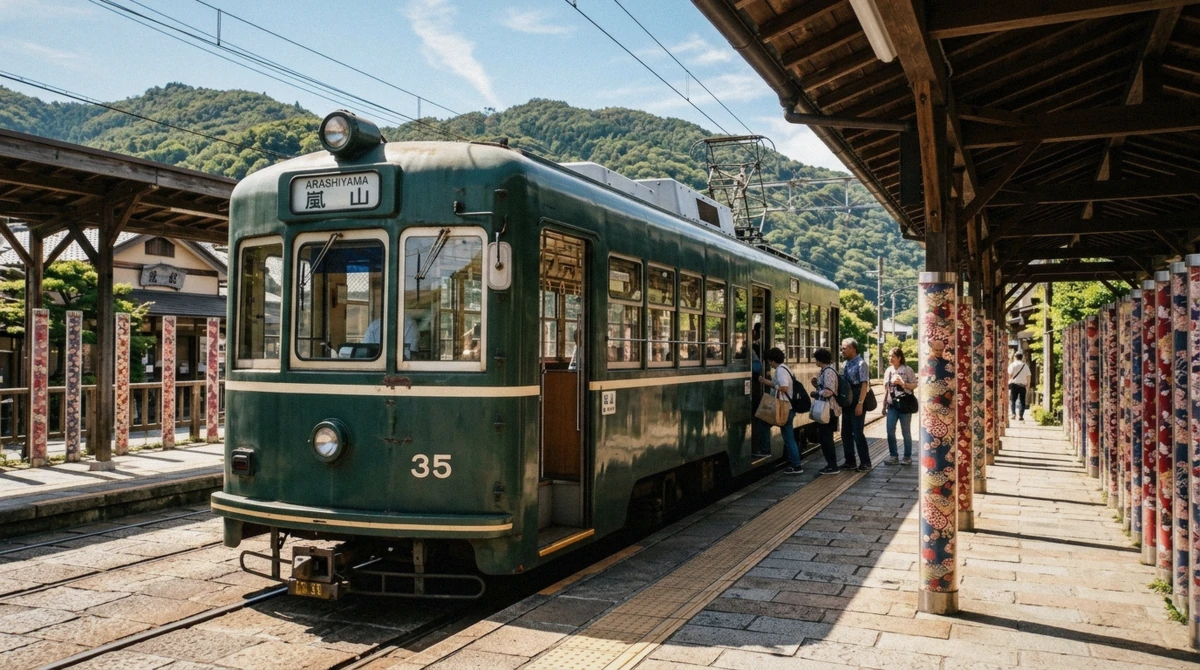
The Randen terminus. A flat ¥250 from town, and the Kimono Forest starts at the platform edge.
Costs People Forget to Budget
The admissions are cheap and predictable. The rest of the day is where money goes.
- Cash for the monkey park. The gate takes yen in cash only, and the ticket expires 30 minutes after you buy it.
- Lunch. Yudofu, the local simmered tofu speciality, starts around ¥3,000 at the temple restaurants.
- Coin lockers at the stations, ¥400 to ¥700, if you arrive with luggage.
- The Sagano Romantic Train in autumn, which sells out a month ahead and forces a taxi or a rethink.
- Rickshaw photographs at ¥9,000, an easy impulse once you see the lane you cannot walk.
- Bus fares if you chain sights across Kyoto rather than taking the train straight back.
How to spend less
Come on a Tuesday or a Wednesday and skip both the queues and the surge in restaurant waiting times. Buy the Randen one-day pass at ¥700 only if you are riding three or more times, since a single flat fare is ¥250 and most visitors ride twice. Eat on the shopping street rather than at a temple restaurant, where the same tofu set costs half as much. Skip the rickshaw and spend the ¥9,000 on the train, the villa, the monkey park and lunch, with change.
If you want the admissions bundled, a guided walk is the honest comparison: the five-hour circuit at $86 includes Okochi-Sanso, Tenryu-ji and the monkey park, roughly ¥2,300 of entries, and the four-hour walks at $51 to $64 cover temple, matcha and macaques.
Is the Paid Part Worth It?
The grove is free and takes 15 minutes, which means anyone travelling an hour each way is really coming for the district rather than the bamboo. That is the honest frame. At ¥2,300 for three admissions, Arashiyama is among the cheapest half-days in Kyoto: Kinkaku-ji alone is ¥500 for a walk past a building you cannot enter, and Nijo Castle is ¥1,300.
Where the value falls apart is the rickshaw. ¥9,000 for 30 minutes buys the one stretch of bamboo you cannot otherwise reach and a driver who photographs you in it. Some people consider that the picture of their trip. Most people, having seen the price next to the train fare, do not.
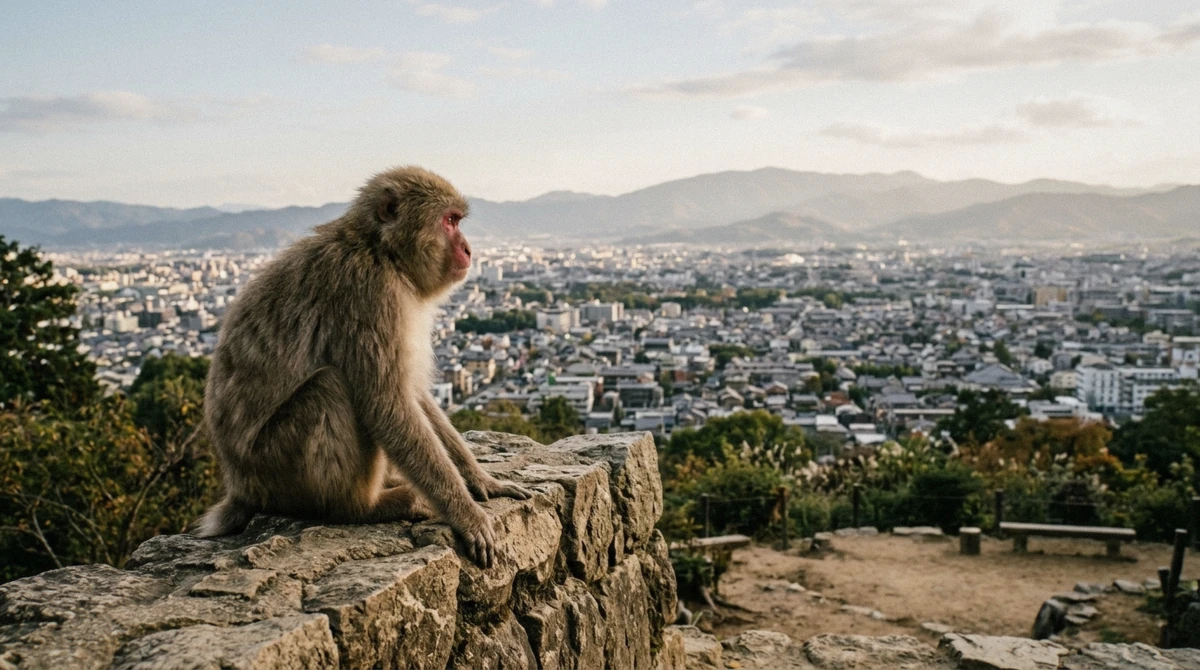
The ¥800 climb at Iwatayama, the one paid sight in the district that people argue about.
Fee Questions People Ask
Is entrance to Arashiyama Bamboo Forest free?
Yes, completely. There is no entrance fee, no ticket booth and no gate, and there has not been a charge since 2015. The path is a public right of way, open 24 hours a day, every day of the year. The paid attractions are the ones around it: Tenryu-ji at ¥500, Okochi-Sanso at ¥1,000 and the monkey park at ¥800 in cash.
Do you need to book Arashiyama Bamboo Forest in advance?
No. Nothing can be booked, because there is nothing to book. What does need booking in the district is the Sagano Romantic Train, where every seat is reserved and autumn dates go a month ahead, and any guided walk you want at a specific time. The grove itself accepts whoever walks up, at any hour.
How long does it take to walk through Arashiyama Bamboo Forest?
Ten to fifteen minutes end to end at a slow pace. Add the quieter section beyond the railway crossing and you are still under half an hour. Because it is free, there is no pressure to extract value from an admission, which is exactly why treating it as one stop in a longer Arashiyama morning works better than treating it as the destination.
Is the bamboo forest in Kyoto worth it?
At zero cost, the only thing you risk is the hour. Arrive before 8:30 and it is one of the best free experiences in Japan. Arrive at 11:00 in November and you will queue along a gravel path in a crowd and wonder what the fuss was. The complaints you read online are almost always about timing, not about the place.
How much cash should you bring to Arashiyama?
About ¥5,000 per person. The monkey park gate takes cash only, small teahouses along the path often do too, and the ticket machines at the smaller stations are friendlier to coins than to foreign cards. Everything else in the district, including the temples and the Sagano train counters, handles cards.
What does a full day in Arashiyama cost?
Around ¥3,500 per person, about $22, covering the return train from Kyoto Station, Tenryu-ji, Okochi-Sanso with its matcha, the monkey park and one leg on the Sagano Romantic Train. Lunch adds ¥1,500 to ¥3,000 depending on whether you eat on the shopping street or at a temple restaurant.
Are there any hidden charges at the bamboo grove?
None at the grove. The two costs that catch people out sit nearby: the monkey park's cash-only gate, and the rickshaw lane that looks like part of the public path until a driver explains that it is not. Photographing the grove, walking it at night and entering from any direction all remain free.